Uses for professional greenhouses
Professional greenhouses are essential for modern agriculture. They enable flexible production and protection against extreme weather conditions, such as droughts, heavy rain, and temperature fluctuations. They are suitable for agriculture, gardening, storage, or research centers.
With advanced design and additional equipment, professional greenhouses ensure sustainable, efficient, and versatile use, tailored to the specific needs of your business.
.svg)


.svg)


Greenhouse dimensions
Standard widths: from 6 m to 12 m
Custom length


Key features

Made of galvanized steel pipes for a long service life.
Standard wind bracing for resistance to strong winds.
Straight sides allow for maximum space utilization.
The design ensures resistance to snow and wind.
Multi-stage ventilation for optimal air circulation.
Prevention of high temperatures and mold.
Professional film with UVA+EVA+AD coatings for long-lasting durability.
Optional UV-coated polycarbonate end walls for added protection and durability.
A wide selection of accessories to customize your greenhouse to your specific needs.
Solutions that improve productivity and ease of use.
Accessories
A wide range of accessories is available to further improve efficiency and tailor the greenhouse to your needs.

Automated systems
Greenhouse automation is a key factor in optimizing production, reducing labor costs, and increasing operational efficiency. Automated management of ventilation, irrigation, shading, heating, fertilization, and other subsystems.

Ventilation systems
The function of roof ventilation is to allow warm and humid air to escape from inside the greenhouse, preventing overheating and the creation of unfavorable conditions for plant growth.
End-wall windows combined with side ventilation enable effective natural ventilation in the greenhouse. This ensures the appropriate temperature, humidity, and CO₂ concentration, which are crucial for optimal plant growth. Together, both systems create a natural airflow that reduces the need for artificial cooling and heating, contributing to greater energy efficiency.
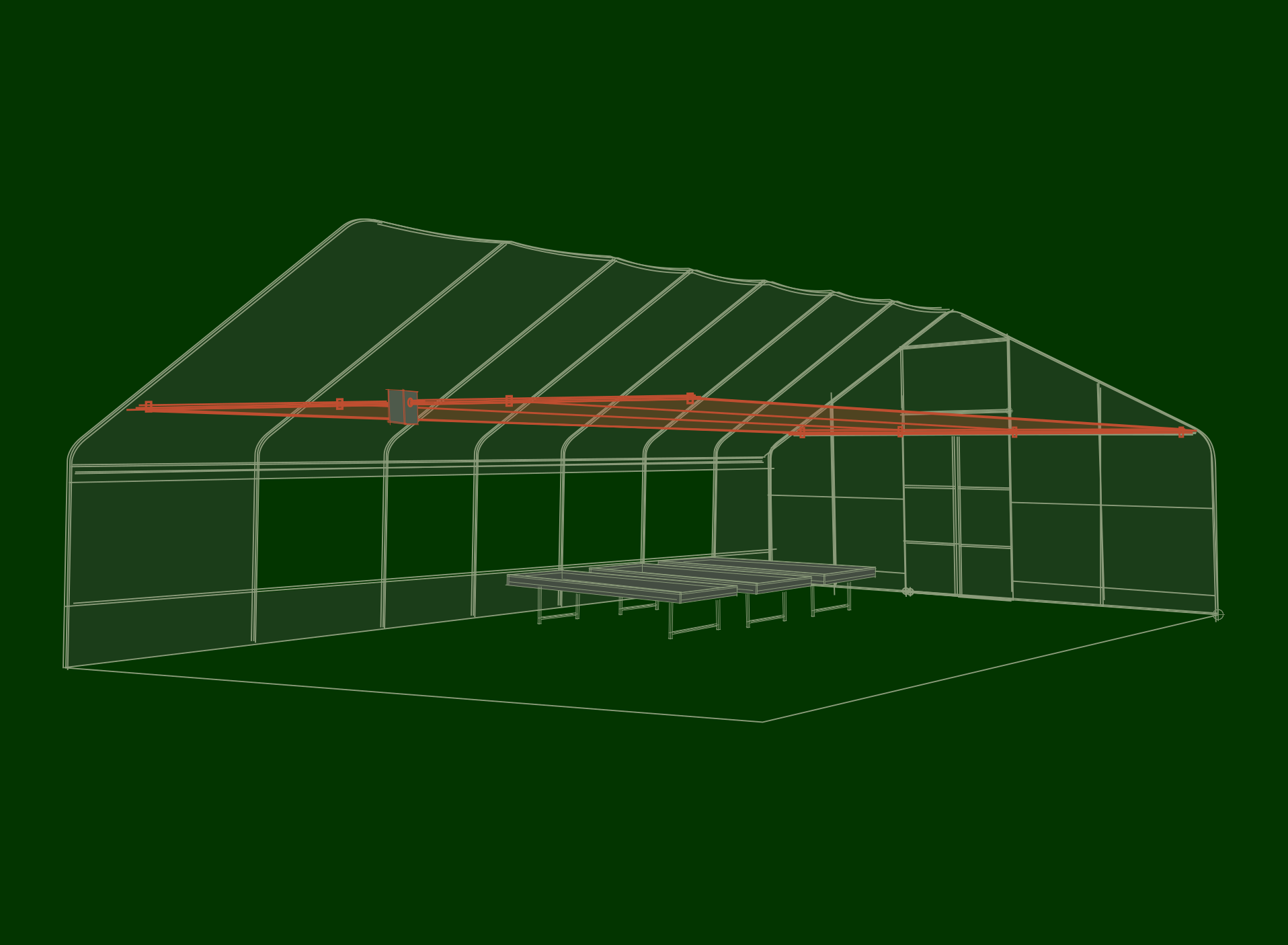
Shading
Interior and exterior shading solutions allow for the regulation of light and heat, preventing plants from overheating and ensuring constant growth conditions.

Irrigation system
Flexible irrigation systems ensure efficient and uniform water supply for plants. The most common irrigation system is drip irrigation.

Double-layer inflated film
Double-layer inflated film improves greenhouse insulation and reduces energy consumption. The air layer between the films protects plants from temperature fluctuations. The inflation system ensures stability and extends the lifespan of the film.

Key benefits of greenhouses
Greenhouses protect crops from wind, hail, heavy rain, and other adverse weather conditions.
A warmer and more stable environment extends the growing season and increases crop yields.
Irrigation system regulation ensures efficient and uniform water supply for plants. At the same time, it offers targeted irrigation, which saves on the amount of water used.
A closed system allows for better pest control, consequently reducing the need for chemicals.
Plants grow in optimal, controlled conditions, leading to increased crop quality and yield.

Technological innovations in professional greenhouses
Advanced technologies enable even greater efficiency and flexibility for greenhouses.
Sensors for measuring temperature, humidity, light, and CO₂ levels allow for automatic adjustment of conditions inside the greenhouse.
Combining greenhouses with vertical farming systems allows for higher yields in smaller spaces.
Solar panels and rainwater harvesting systems contribute to the sustainability of our greenhouses.
These technologies allow for soil-free cultivation, which increases resource efficiency and is therefore suitable for environments where traditional farming is not possible.
Professional greenhouse gallery


