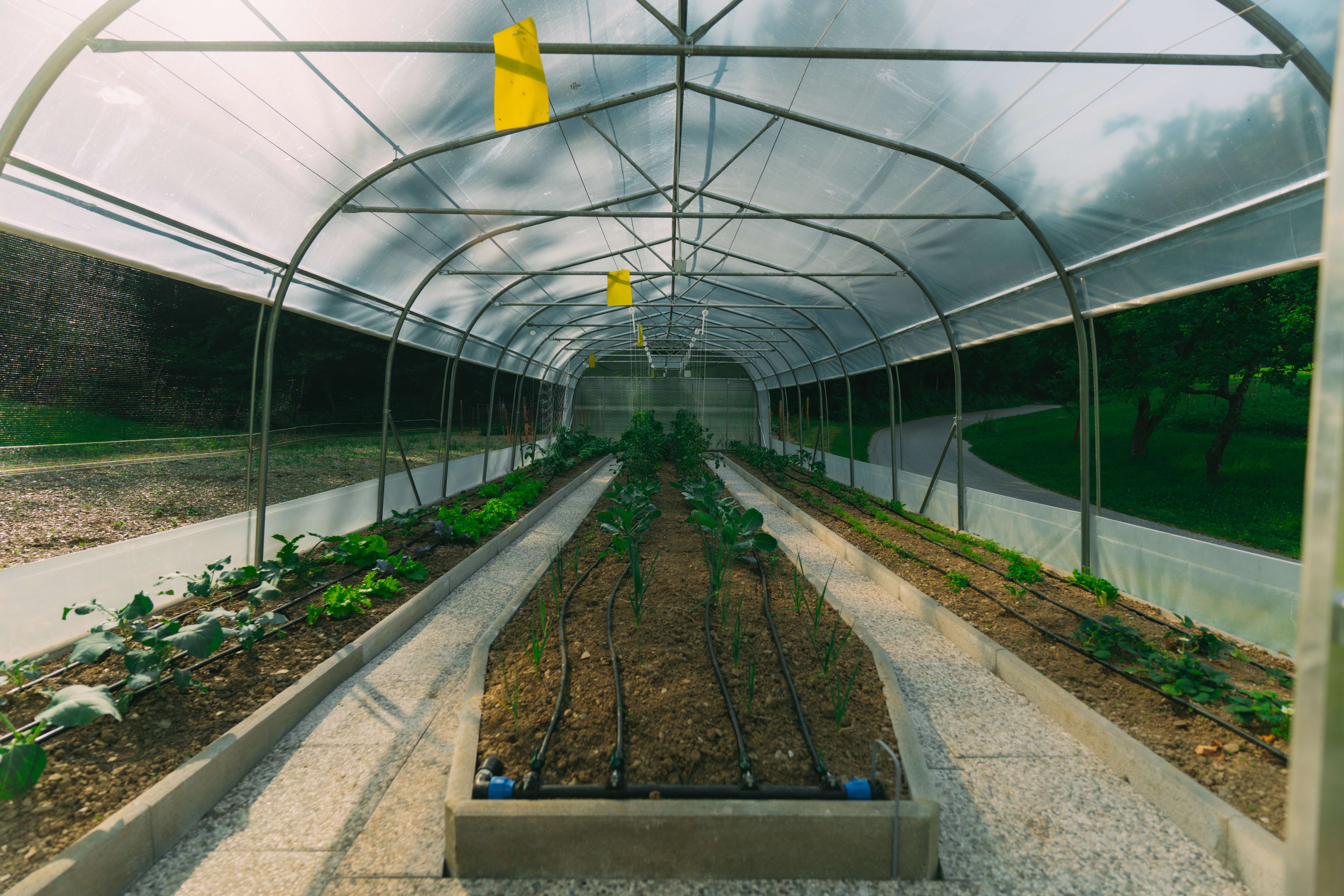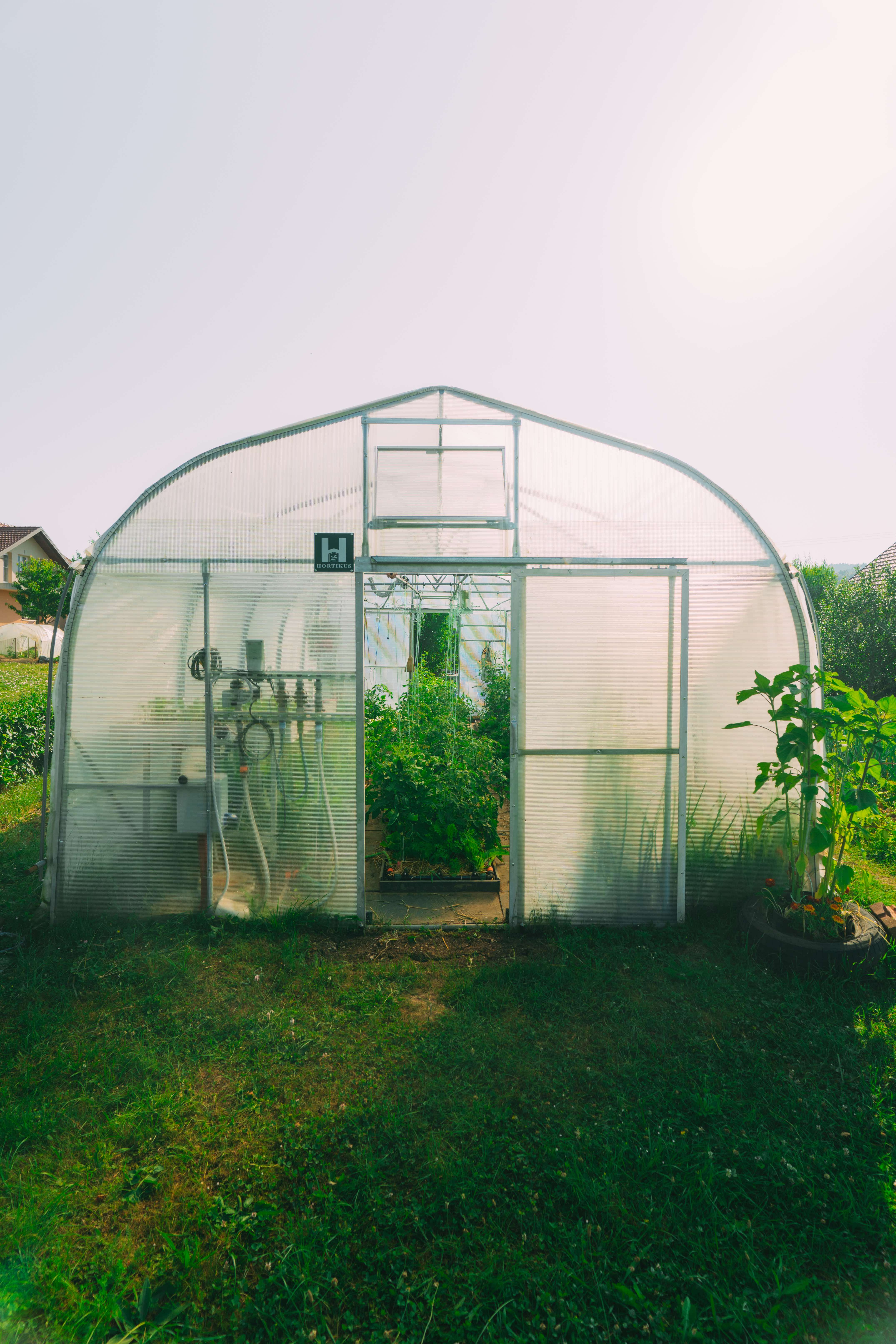
How a greenhouse transforms your garden and why it is the right choice for self-sufficiency
A greenhouse is more than just a passing trend among gardeners; it is becoming a key element of any garden where you want more fresh vegetables, a longer growing season, and greater independence from the grocery store. Although you can grow basic crops without one, a greenhouse allows you to take it a step further – from the first tomatoes in early spring to fresh lettuce in winter. Beyond its practical value, it also brings a sense of satisfaction when you put food you have grown yourself on your plate. However, buying a greenhouse is a decision that requires careful consideration: from choosing size and materials to location and accessories. In this article, you will find all the key information to help you make a smart decision and avoid common beginner mistakes.
Why does condensation form in a greenhouse?
When warm, moist air in the greenhouse rises toward the roof, it comes into contact with cooler surfaces. The moisture from the air turns into liquid there, forming droplets – this is what we call condensation.
Why is it a problem?
- Droplets fall onto plants and damage young shoots.
- Damp foliage is more susceptible to mold and disease.
- Working in the greenhouse becomes unpleasant as it drips on the gardener.
How can you reduce it?
- Ensure good ridge ventilation, where warm air collects.
- Choose film with an anti-drip coating, which prevents condensation droplets from forming.
- Ventilate the greenhouse regularly to prevent moisture buildup.
Where should you place your greenhouse?
Location is key. The sun is your greatest ally, so choose a spot that receives sunlight for most of the day. An east-west orientationis highly recommended, as it allows the greenhouse to capture the most light, especially during the transitional seasons of spring and autumn. Avoid shadows from tall trees, walls, and other structures.
If possible, place the greenhouse on slightly elevated groundwhere water does not pool. The base should be stable and level. It can be installed:
- directly on the ground with spot anchoring, or
- on a concrete base, if you want a more durable and stable solution.
For long-term durability, it is also important to have drainageso that water does not collect around the structure.
Of course, in practice, space often dictates the location, and it is not always possible to meet all ideal conditions. If the greenhouse is covered with professional film, it can also be placed in less optimal sunny locations, as the film diffuses light and ensures even illumination, even where there is no direct sunlight.
You can also place the greenhouse on gently sloping ground, provided it is even. Such an installation, known as contour installation, is perfectly feasible, as long as the structure follows the line of the ground.
Most common mistakes when choosing a greenhouse location
- 🌳 Too much shade – proximity to trees or walls reduces the amount of light, causing plants to grow more slowly.
- 💧 Water pooling – on uneven ground, moisture accumulates against the structure, which compromises stability and accelerates rusting.
- 🏠 Too close to a house or fence – restricted ventilation and less light.
- 🌬️ Exposure to strong wind – in an inadequately protected location, there is a higher risk of structural damage.
- 📏 Insufficient space around the greenhouse – makes maintenance, drainage, and side access difficult.
Ideal conditions for setting up a greenhouse
- ☀️ Full sun exposure – as much direct light as possible throughout the day.
- ↔️ East-west orientation – maximum solar gain in spring and autumn.
- 🏞️ Slightly elevated terrain – prevents water stagnation.
- 📐 Level and stable base – easier assembly and greater structural stability.
- 💨 Sheltered location – protection against strong winds (e.g., a partial natural barrier like a hedge).
- 🚶 Sufficient space around the greenhouse – for easier access, ventilation, and potential future expansion.
- 💧 Proper drainage – to ensure water does not pool around the structure.
Do I need a building permit?
In most cases, a building permit is not required for smaller greenhouses (up to 20–30 m²), especially if they are prefabricated structures or portable units without concrete foundations. However, it is always a good idea to check local regulations, particularly in areas with special protection status or near property boundaries.
Greenhouse maintenance
Once the greenhouse is set up, the real work begins. To maintain optimal growing conditions, regular cleaning of the film or glass is necessary, as dirt accumulates on the surfaces and reduces light transmission. It is also recommended to inspect the structure, joints, and anchors at least once a year and tighten them if necessary. If you use drip irrigation, clean the tubes periodically to prevent clogging. With a little basic care, your greenhouse will remain functional for decades.
A greenhouse as a long-term investment
Buying a greenhouse may seem like a significant expense at first, but in the long run, it brings savings and a better quality of life. Growing your own vegetables and herbs means fewer trips to the store, more control over what you eat, and greater self-sufficiency. Furthermore, a greenhouse allows you to take your love of gardening to the next level—from growing exotic plants to creating a pleasant space where you can spend your free time. That is why a greenhouse is much more than just a functional structure; it is an investment in your lifestyle and your future.