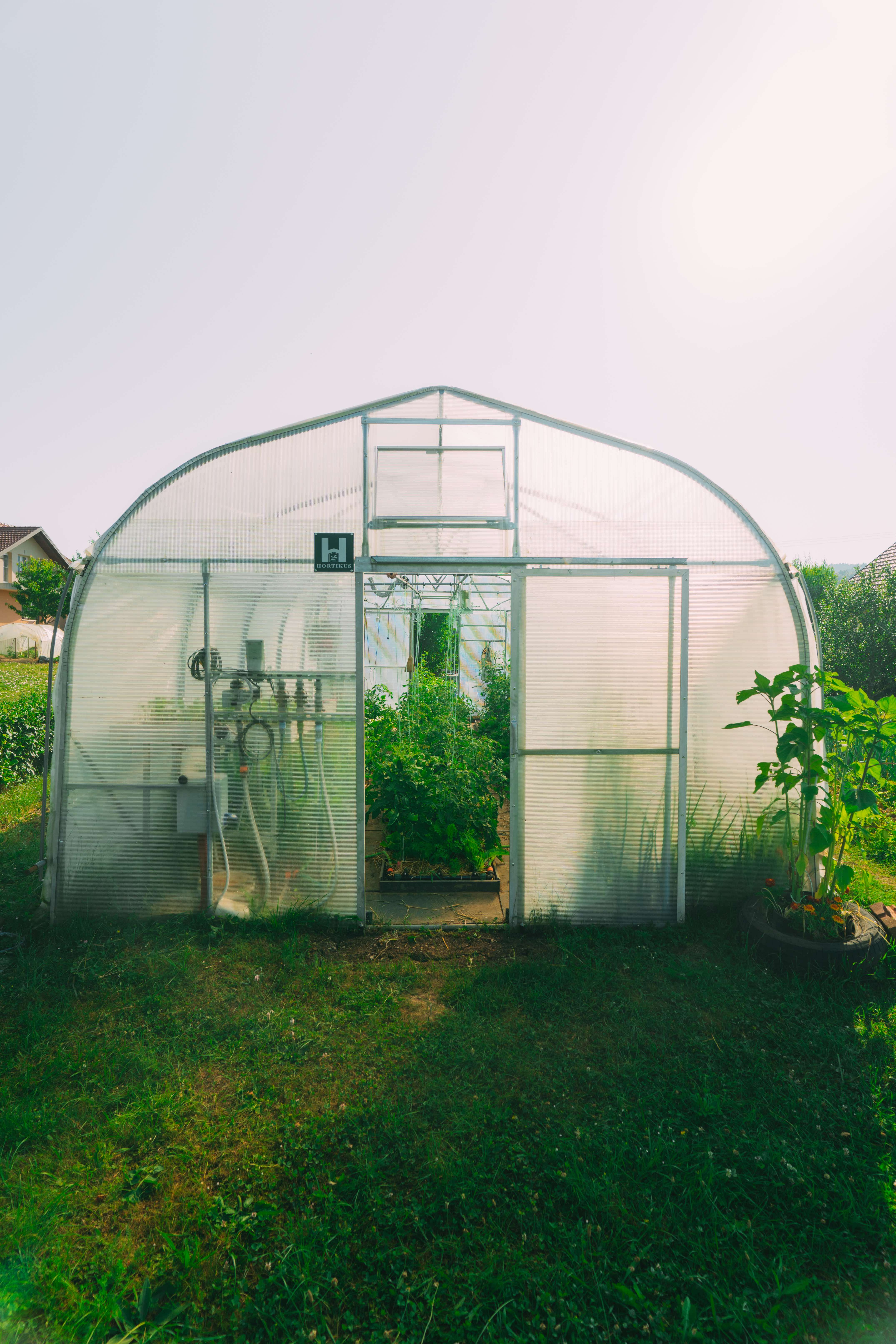
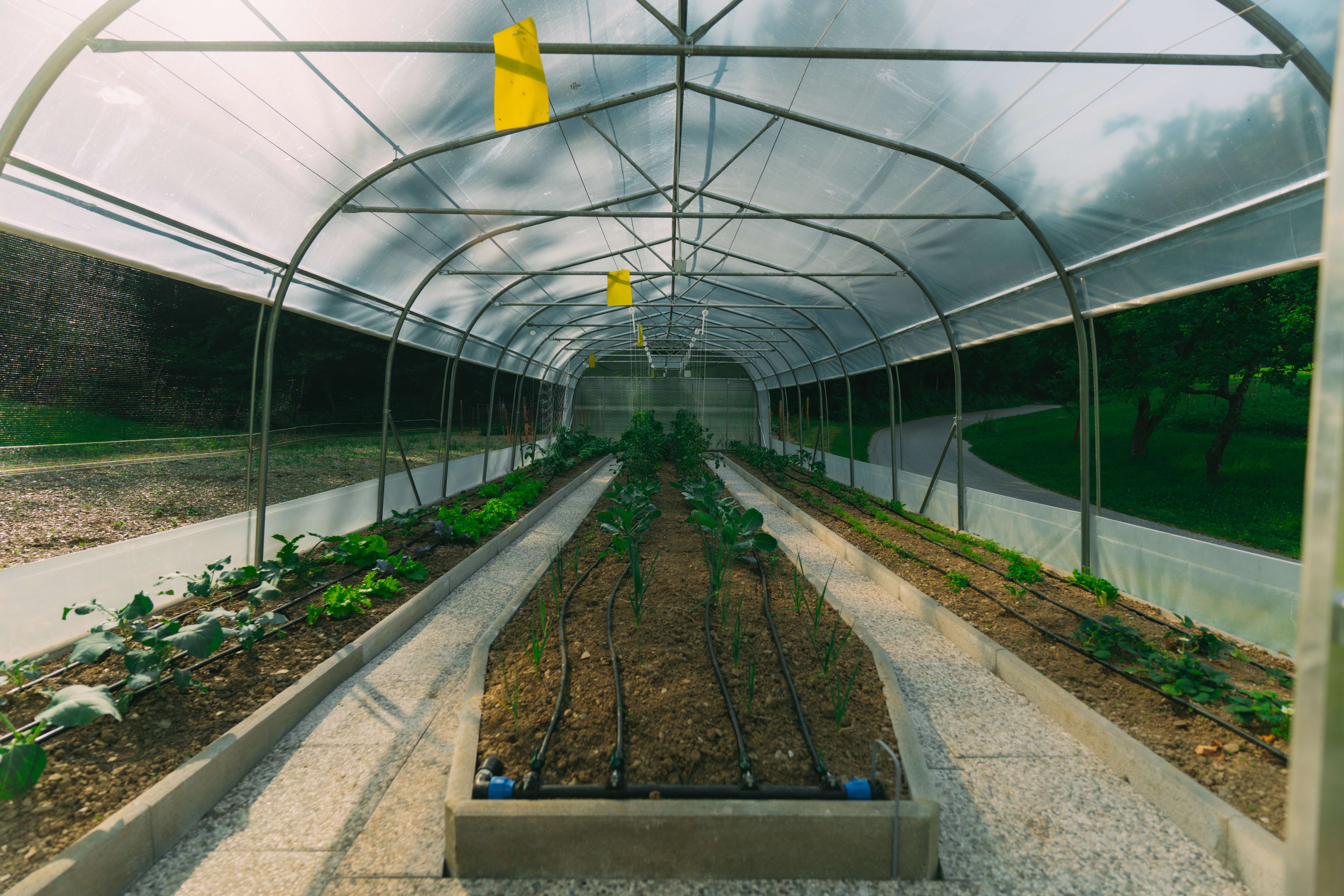
Autumn is already here, and the garden and greenhouses are still full of vegetables—the remnants of summer's bounty. However, with the arrival of cooler temperatures, fog, and the first frost at the end of October, this abundance begins to fade, as the fruiting vegetables, the queens of summer, are extremely sensitive to moisture and cold.
But this doesn't have to be the bitter end of the gardening season! Once we clear the beds and enrich them with some compost, we still have time for sowing and transplanting in October. This planting will provide us with a harvest in the greenhouse from late October all the way through to spring.
What can you still sow and plant in the autumn?
Most leafy greens thrive in cool weather, as summer heat causes them to bolt into flower far too quickly. Now is the time for lettuces, brassicas, alliums, and certain legumes to show their strengths.
The following can withstand the cold without any major issues:
- overwintering lettuce varieties (Canasta, Štrucarka, Forellenschluss)
- spinach (Viroflay, Krepysh, Matador)
- lamb's lettuce (Ljubljanski, Holandski, Žličar)
- kale (Red Russian, White Russian, and curly-leaf varieties) for baby leaves
- winter chicory (cutting chicory)
- perennial arugula
- winter purslane (Claytonia)
- radishes (early varieties)
- peas and fava beans
- Asian mustard greens (more on these below)
Garden centers still offer seedlings for various types of chicory, lettuce, leeks, and brassicas. Now is the last call to transplant them into the greenhouse.
Asian mustard greens
During the autumn and winter months, my personal favorites are the perhaps slightly lesser-known mustard greens that originate from Asia.
These include: tatsoi, mibuna, mizuna, komatsuna, pak choi, choy sum, and other mustard varieties (e.g., Purple Frills and Red Giant).
This is a group of leafy vegetables with quite intense flavors; some are extremely mild, while others are very spicy. In terms of taste, they most resemble a cross between arugula and cabbage. They are versatile and excellent in sandwiches, mixed salads, and even quickly stir-fried in a wok (as a side dish for meat). I also mix them with cabbage when I ferment it, which results in a final product with a fantastic flavor!
Mustard greens are fast-growing, cold-hardy plants that, with a little protection (garden fleece, a low tunnel, or a greenhouse), overwinter beautifully and provide us with fresh leaves throughout the cold months until late spring, when they bolt. The flower stalks and flowers of all mustard greens are edible and very tasty, so don't throw them away; they extend your harvest until May. To harvest mustard greens, pick the outer leaves while leaving the heart of the plant to continue growing.
Another interesting fact: the colder it is outside, the sweeter the leaves taste, as the plants produce more sugar to protect themselves from the cold (a natural antifreeze).
Because of the huge selection of varieties, I prefer to order seeds online and later save my own seeds (only one variety per location, as they like to cross-pollinate). Fortunately, in recent years, I have been seeing seeds for Asian vegetables more and more often from our local suppliers, even if they are mostly in mixes with names like 'Taste of Asia', 'Oriental mix', and the like. I definitely highly recommend trying some of these Asian beauties in your own garden!
Direct sowing or growing from seedlings?
If you want larger, more developed plants, buy seedlings. These plants have the advantage of a well-developed root system, so they grow a bit faster than plants from direct sowing. However, the variety selection for seedlings is quite limited.
In the autumn, we are used to sowing larger quantities of certain types of vegetables directly into the bed; we especially use this method for lamb's lettuce, loose-leaf lettuce, and spinach. The initial growth of direct-sown crops can be very slow in the autumn (though these plants sprout earlier in the spring), so I recommend a combination with seedlings.
The advantage of growing leafy greens in a greenhouse is that the leaves are always clean when harvested and easily accessible throughout the winter, as there is no rain or snow in the protected space. The additional warmth also allows for slightly faster growth even on cold days.
Since September has treated us to warm sunshine, the soil is nicely warmed up and ready for sowing. October brings cooler weather, so we are now catching the last moments to sow and plant for an abundant harvest of fresh, tasty leaves throughout the autumn and winter. A mix of flavors will certainly ensure an interesting and varied menu!